

Kobuleti Protected Areas: A Special Wetland Adventure
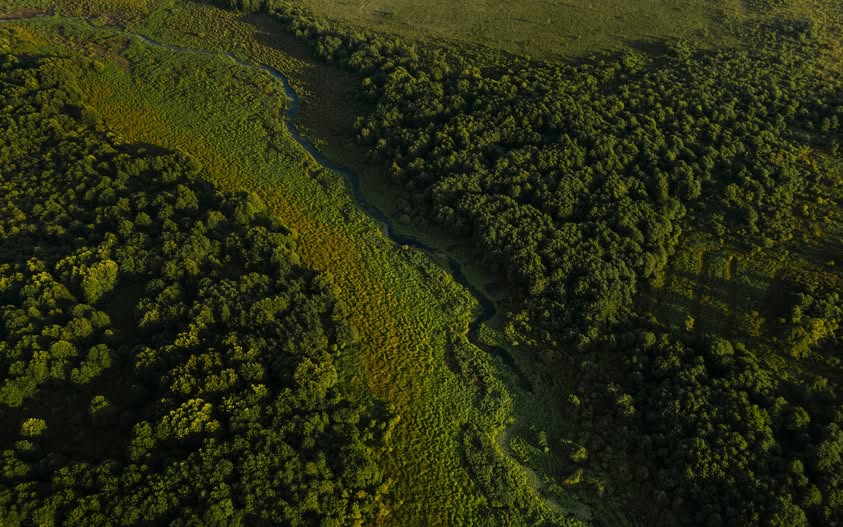
Kobuleti Protected Areas is a very special natural area near the Black Sea coast town of Kobuleti in Georgia’s Adjara region. The Ispani II bog, a rare and interesting type of wetland known as a percolation peat bog, is what makes this area so well-known. It’s like a huge, flat sponge made of old plants that’s always wet and full of strange life.
[Image of the Ispani II bog wooden boardwalk in Georgia]
These protected areas were set up in 1998 to protect this one-of-a-kind wetland habitat. It takes thousands of years for peat bogs like Ispani II to form. In the waterlogged, acidic conditions, special Sphagnum mosses and other plants grow, die, and only partially break down. This slowly builds up thick layers of peat. The Ispani II bog is a “percolation” bog, which means that most of its water comes from rain filtering through it. This makes it very clean but also fragile. This kind of bog is very rare, especially on the coast of the Black Sea.
This ecosystem is so unique and delicate that it has been recognized around the world. It is an Important Bird Area (IBA) and a Ramsar Wetland of International Importance. This shows how important it is to the whole world, especially as a key stop for many birds that are migrating between Europe, Asia, and Africa.
The Kobuleti Protected Areas are made up of two parts, each with its own level of protection: Kobuleti State Nature Reserve: This is the main part of the peat bog, the center of it all. To keep the ecosystem as undisturbed as possible, it is in IUCN Category Ia, the highest level of protection. People in general are not allowed to come here. The Kobuleti Managed Reserve is the area around the Strict Nature Reserve that acts as a buffer zone. It lets people see and learn about the wetland in a safe way (IUCN Category IV). This is where the amenities for visitors are.
You can walk on well-built wooden boardwalks that safely take you over the wet ground when you visit the Kobuleti Protected Areas, especially the Managed Reserve. These simple paths take you to observation towers, which are great places to watch birds. In the spring and fall, thousands of birds stop here to rest and eat. These include eagles, storks, ducks, herons, and smaller songbirds. The area is full of life even when birds aren’t migrating. If you look closely, you might see rare plants like the Sundew, which eats insects, or the beautiful Royal Ferns.
[Image of migratory birds over the Kobuleti wetlands]
Kobuleti Protected Areas are a great place to see a rare ecosystem up close, learn about how to protect wetlands, and go birdwatching, all very close to the popular beach resorts.
Basic ID
Official Name:
The Kobuleti Protected Areas, which include the Kobuleti State Nature Reserve and the Kobuleti Managed Reserve.
Type of Area That Is Safe:
The Kobuleti State Nature Reserve is a strict nature reserve (IUCN Category Ia). Managed Reserve (IUCN Category IV) in Kobuleti.
Established:
1998 (current structure). It became a Ramsar site in 1997.
Managing Body:
The Agency of Protected Areas (APA) of Georgia is in charge.
Place and ease of access
Location:
Georgia, the Autonomous Republic of Adjara, and the Kobuleti Municipality. On the coastal plain of the Black Sea.
Coordinates:
41°51′ N, 41°48′ E. You can get maps of both reserves from the APA website or the visitor center.
Closest Towns:
The resort town of Kobuleti is right next to it. About 30 km south is the city of Batumi.
How to Get There:
It’s very easy to get to. It’s right off the main E70 highway, close to the town of Kobuleti. You can get there by car, taxi, or local bus (marshrutka) from Kobuleti or Batumi. The closest airport is Batumi International Airport (BUS).
Size and how it looks
Area:
The Kobuleti Protected Areas cover a total of 770 hectares (7.7 km²). State Nature Reserve (Strict): 331 ha. Managed Reserve: 439 hectares.
Landforms:
A flat coastal lowland plain. The Ispani II peat bog (mire) is the most important part. The height is very low, only a few meters above sea level.
Key Features and Geology:
Over thousands of years, partially decomposed plant material (especially Sphagnum moss) has built up in waterlogged areas to create a unique percolation peat bog. The peat layer is a few meters thick.
Hydrology:
The wetland system is in charge. The peat bog holds a lot of rainwater, like a sponge. The health of the ecosystem depends on the levels of water. Draining attempts made in the past outside the protected area can change how water flows in the area.
Climate:
A humid subtropical climate. The winters are mild and very wet, and the summers are hot and humid. A lot of rain all year long.
Importance and Purpose
Reason for Designation:
The Ispani II percolation peat bog is a rare ecosystem in the world, and it is home to a lot of migratory birds that depend on it. This is why it was designated. Also important for learning about the environment and doing scientific research.
Important Values:
- Ecological: A one-of-a-kind percolation bog ecosystem that is an important home for wetland species and a natural water filter.
- Ornithological: A very important stop for millions of migrating birds on the Black Sea flyway.
- Scientific: A useful place to learn about the ecology, hydrology, and past climates of peatlands (by looking at peat).
- Educational: Gives people a chance to learn about rare wetland habitats and how to protect birds.
Recognition Around the World:
- Ramsar Wetland of International Importance, which is part of the “Wetlands of Central Kolkheti.”
- Important Bird Area (IBA).
- Emerald Network Site.
Flora and fauna diversity
Habitats and ecosystems:
A percolation peat bog (mire) with a lot of Sphagnum mosses. The Managed Reserve has wet meadows and alder groves in the area around it.
Important Plant Species:
Sphagnum mosses (different kinds), White Beak-sedge (Rhynchospora alba), Bogbean (Menyanthes trifoliata), Royal Fern (Osmunda regalis), Yellow Iris (Iris pseudacorus), Round-leaved Sundew (Drosera rotundifolia), and White water-lily (Nymphaea alba). Alder trees (Alnus barbata) on the edges.
Important Animal Species:
Birds: Very important for birds, especially when they are migrating (in the spring and fall). The following species have been seen: White Stork, Great White Egret, Grey Heron, Eurasian Spoonbill, different types of ducks, geese, swans, waders (like snipes and sandpipers), raptors (like eagles, harriers, and buzzards), cranes, and many passerines. Rails, crakes, and warblers are some of the birds that breed. Amphibians/Reptiles: Common Tree Frog, Marsh Frog, Smooth Newt, Grass Snake. Mammals: Not as common, but they could include the European Otter, the Golden Jackal, the Red Fox, and some small rodents.
Endangered/Rare Species:
Many bird species that are endangered or rare in Europe or around the world use the site as a stopover during migration. The peat bog habitat itself is rare and in danger in this area.
Information for visitors (mostly for the Managed Reserve)
Visitor Center(s):
Yes, there is a visitor center and an administration building close to the entrance to the Managed Reserve trails. It has displays that teach you things, tickets, and information. Visit the APA website to find out how to get in touch with them and what services they offer.
Hours and Seasons:
You can usually walk the trails in the Managed Reserve all year long during the day. The visitor center probably opens and closes during normal business hours (the APA website is the best place to find out). The best times to watch birds are during their spring (March to May) and fall (September to November) migrations.
Fees and Permits:
Yes, you usually have to pay an entrance fee to get to the boardwalk trails and birdwatching towers in the Managed Reserve. The APA website has the most up-to-date prices.
Trails and Routes:
The Managed Reserve has wooden boardwalk trails that are easy to walk on and range in length from a few hundred meters to over a kilometer. These trails let visitors explore parts of the wetland without damaging the delicate ground. These paths lead to birdwatching towers with great views.
Activities:
Birdwatching is the main thing to do. Nature walks and taking pictures of nature.
Accommodation:
There are no places to stay in the protected areas. There are a lot of hotels, guesthouses, and apartments in the nearby towns of Kobuleti and Batumi.
Facilities:
There is a visitor center and an admin building that may have basic services like toilets and information. Birdwatching towers, well-kept boardwalk trails, and information panels along the trails.
Advice on Safety:
Put on shoes that are comfortable and maybe even waterproof. Always stay on the boardwalks. Bring binoculars and a bird guide if you want to watch birds. In the summer, you should wear insect repellent. Don’t make noise so you don’t bother animals. Be careful of the weather; boardwalks can be slippery when it rains.
Laws and Rules
Code of Conduct:
Stay on the marked trails and boardwalks at all times. Keep quiet, especially near towers, and don’t bother birds or other animals. Take all of your trash with you.
Prohibitions:
You can’t go into the Kobuleti State Nature Reserve (the main bog area) without special scientific permits. It is against the rules to hunt, fish, light fires, collect plants or samples, swim, or boat in any of the protected areas. There may be limits on pets. You probably need permission to use drones.
Zoning:
There are two clearly marked zones in the area: the Strict Nature Reserve, which is off-limits to visitors, and the Managed Reserve, which has trails and towers that visitors can use.
Management and Conservation
Managing Body:
The Agency of Protected Areas (APA) of Georgia is in charge of management. The Adjara Protected Areas administration or a similar group runs things locally. There are rangers and administrators on staff.
Key conservation efforts:
focus on keeping the peat bog’s natural water flow (hydrology) in place, which is very important for its survival. This means keeping an eye on the water levels and quality and dealing with the effects of drainage on the area around. Bird populations are kept an eye on. It may be possible to control invasive species. The infrastructure for visitors, like boardwalks and towers, needs to be kept up on a regular basis. There are programs that reach out to schools.
Threats/Challenges:
The main threats come from changes in hydrology caused by drainage work done outside the protected area. Another worry is water pollution from farming or runoff from cities. The development of the nearby Kobuleti resort town, possible changes in rainfall and temperature due to climate change, and invasive plant species are all problems that need to be dealt with.
Culture and History
A short history:
The Ispani II peat bog has been around for 5,000 to 10,000 years. In the late 20th century, people began to realize how important the area was for the environment. This led to its designation as a Ramsar site in 1997 and the creation of protected areas in 1998. Before it was protected, people might have used the areas around it for limited grazing or cutting peat.
Cultural Importance:
The site is mostly important for science and the environment. It is in the old Greek mythological region of Kolkheti (Colchis). Today, its cultural value is mostly tied to teaching people about the environment and how to appreciate nature.
Unique Features and Fun Facts
- Safeguards the Ispani II bog, an uncommon instance of a coastal percolation peat bog.
- It is known around the world as a Ramsar site and an Important Bird Area.
- Serves as a vital “service station” for millions of migratory birds that fly along the Black Sea flyway.
- The peat layers have preserved pollen and plant remains that tell us a lot about the climates and plants that lived there thousands of years ago.
- Provides easy access to birdwatching spots very close to popular tourist areas.
- You can find sundew plants (Drosera) that eat meat here.


Leave a review